
Human Rights & Environmental Due Diligence in Management Practice
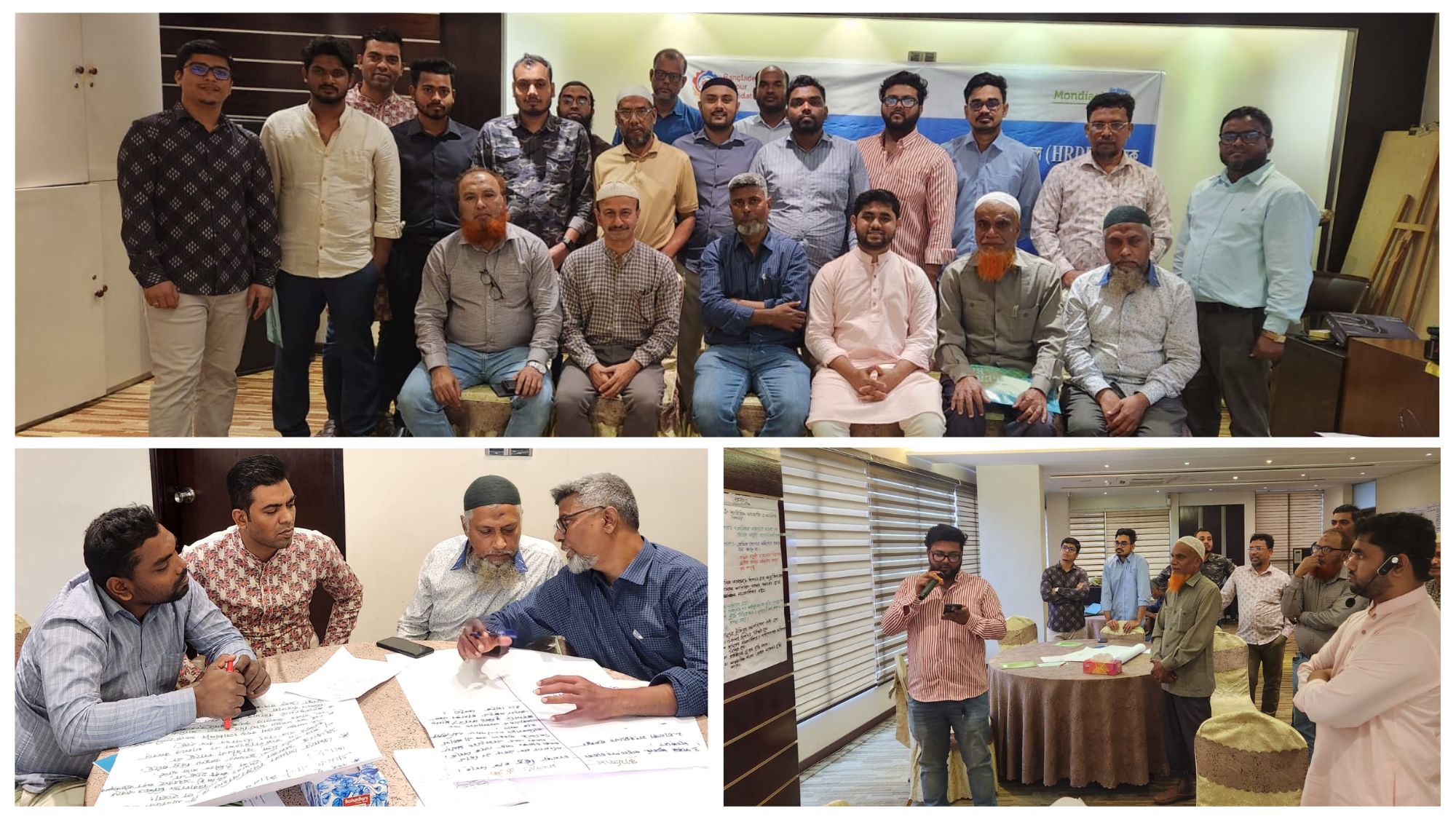
Bangladesh Labour Foundation (BLF) engaged mid-level management in a Human Rights & Environmental Due Diligence (HRDD) program to close the gap between legislative pledges and real-world implementation. The importance of managers in influencing day-to-day choices in the areas of production, procurement, worker supervision, compliance, and environmental performance was emphasized during the workshop.
Bridging Policy and Practice
The session focused on the importance of mid-level managers in recognizing and mitigating labor and environmental hazards in supply chains. Enhancing their comprehension of HRDD facilitates better transparency, increased accountability throughout operations, and more successful implementation of remedial actions.
Key Messages
In order to detect and stop environmental hazards and labor rights abuses in supply chains, HRDD is crucial.
Increasing traceability and transparency is essential for ethical and sustainable business practices.
Adopting HRDD effectively promotes adherence to new international laws and guidelines.
Ensuring safe, equitable, and responsible workplaces requires developing managerial capacity.
HRDD and the Future of Work
HRDD is turning into a strategic requirement as sectors deal with automation, the climate transition, and changing global due diligence standards. It helps companies to maintain their competitiveness in international markets, handle transitions responsibly, and defend workers’ rights.
BLF continues to encourage ethical corporate practices through research, capacity building, and the Decent Work Due Diligence Bangladesh (DWDD) project. Building a just, secure, and sustainable future of work requires strengthening capacity now.